
A brief history of the cat's origin

In the intricate dance of life and death that unfolds around us, a relentless battle has shaped the biosphere since the dawn of complex multicellular organisms.

The dynamic between predator and prey is not merely a game of chance; it's a finely tuned evolutionary mechanism that has sculpted ecosystems for millions of years.

The history of the feline predator began at a time when the giant lizards, the dinosaurs, came to an end.

During the long reign of the reptiles, which began around 235 million years ago and ended around 66 million years ago, the small carnivorous mammals were never able to develop properly.

No wonder, as they had to keep their heads down for 169 million years to avoid being discovered by the voracious monsters. What better place to hide than a tall tree with dense foliage.

Let's begin our journey through the evolutionary history of the cat with a small predator that sets the course for the entire development of a long line of ancestors of predators…

66
million years ago...

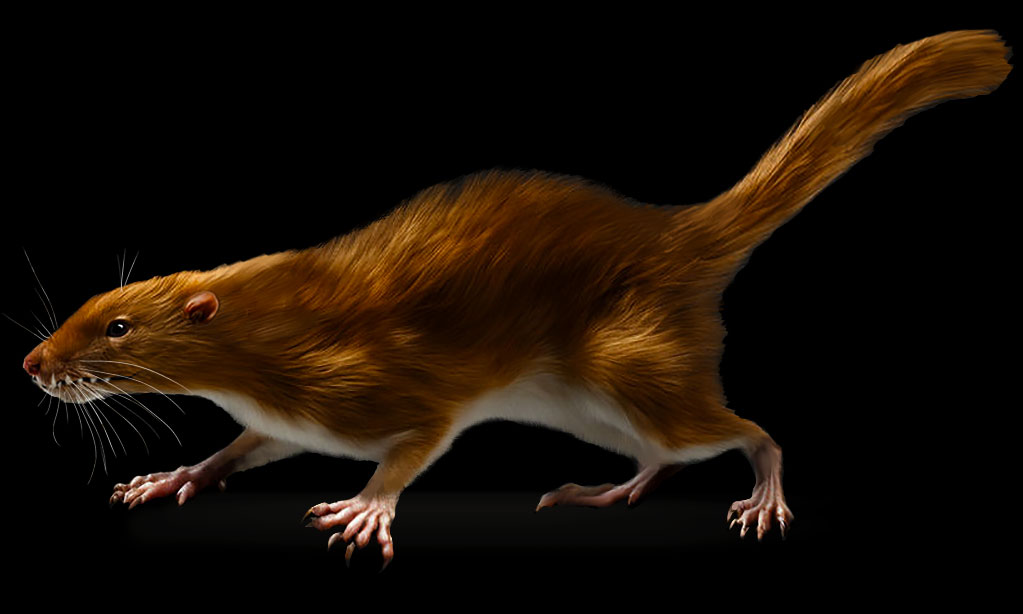
The ancestor of cats finally appears: Viverravus. Half-mouse and half-rat, this tiny nocturnal carnivore scurries through the branches like a squirrel. And in such a way that you actually hear it more than see it.

First mammal predator

Harbinger of cats & dogs

65
million years ago...

The marten-like Miacid appear. The ancestors of today's bears, dogs and cats - also lived mainly on trees. The little guy weighs up to 15.4 pounds, is extremely agile and has sharp claws that serve him well when climbing. This is an optimal survival concept.

Caniformia

Precursor of dog-like predators

50.5
million years ago...

The "father of cats" appear: Patriofelis. The cat-like mammal already has the features of later cats, such as whiskers and a typical long tail. It has a shoulder height of 2ft and weighs a considerable 110-154lb. You can tell right away that his journey is towards the cat.

Feliformia

Precursor of cat-like predators

43
million years ago...

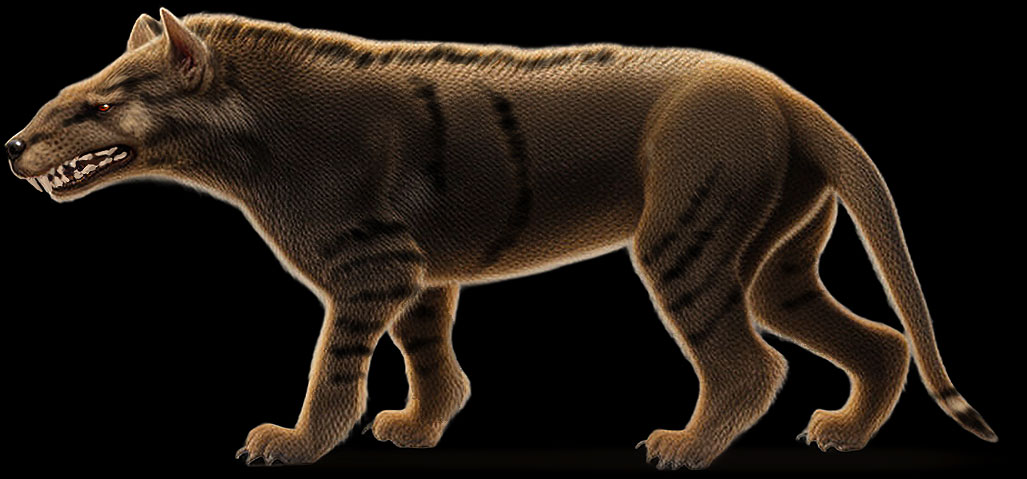
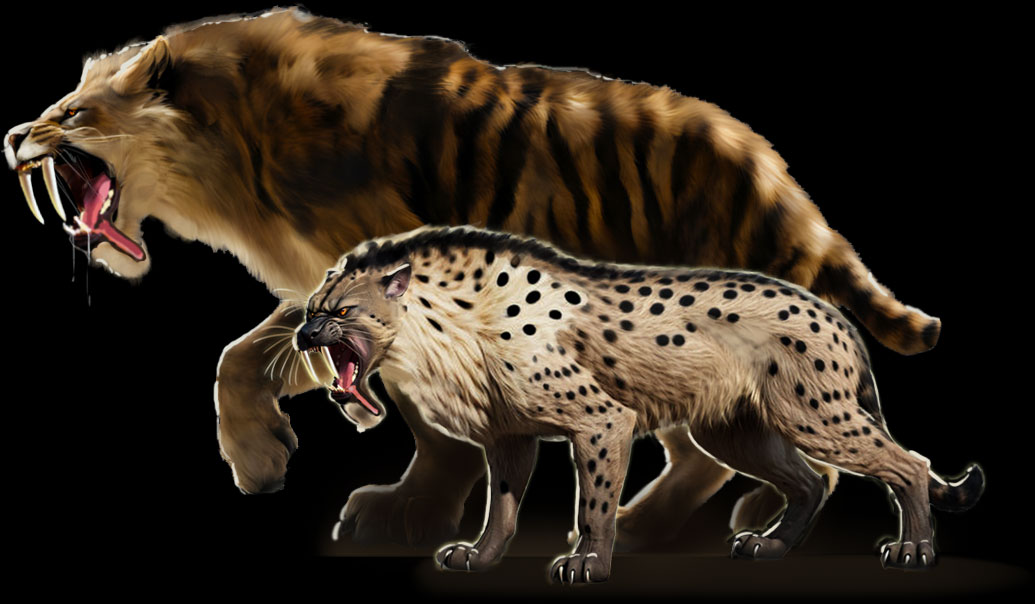
The "dog-like" caniforms appear: Hyanodon. It looks like today’s hyena - only with a lot of dog in the blood. Although there are polar bear-sized specimens, it usually has the size of a medium-sized dog. All later Wolves, foxes, dogs, bears, raccoons, mustelids, seals, walruses and sea lions emerge from it.

The dreadful Dog-hyena

Pioneer of canines

40
million years ago...

The "cat-like" feliforms appear: the false saber-toothed cats are still not cats. The great Nimravid clan comprised 7 families with 114 species that made the world unsafe for 31 million years. All real cats, hyenas, mongooses and viverrids emerge from them.

Nimravids

Sneaky killing machines

30.8
million years ago...

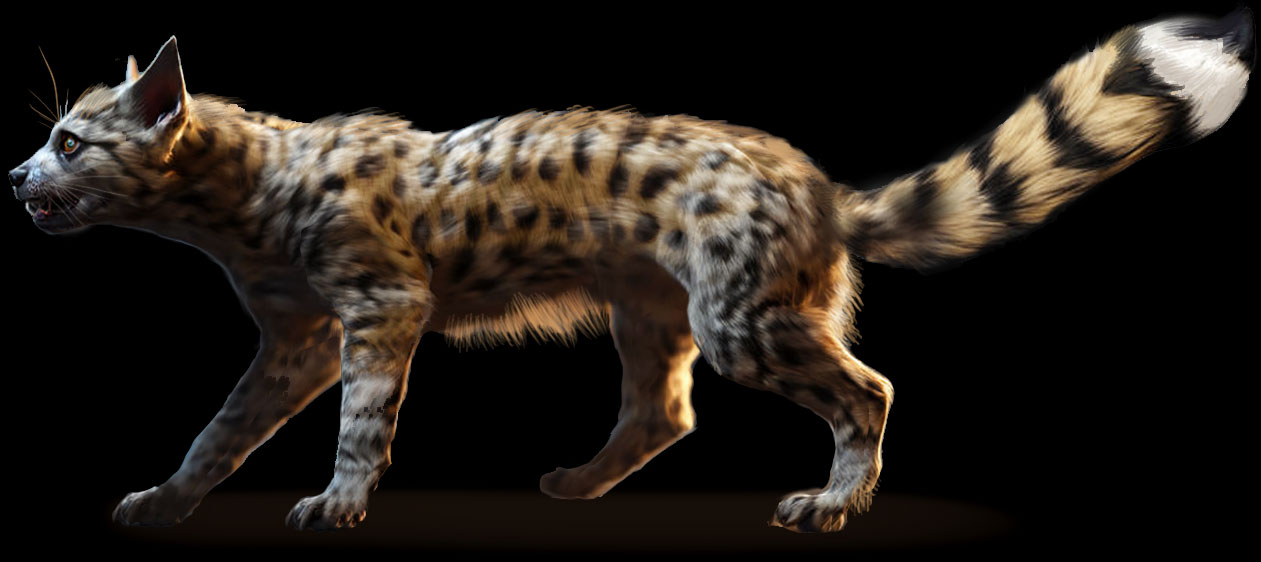
The progenitor of all cats, Proailurus, appears. The patterned dwarf weighs a mere 19.8 lb and roams the world for 5 million years. Despite the chaotic coat pattern, you can already recognize the clear traits of today's cats.

Proailurus

Godfather of cats

20
million years ago...

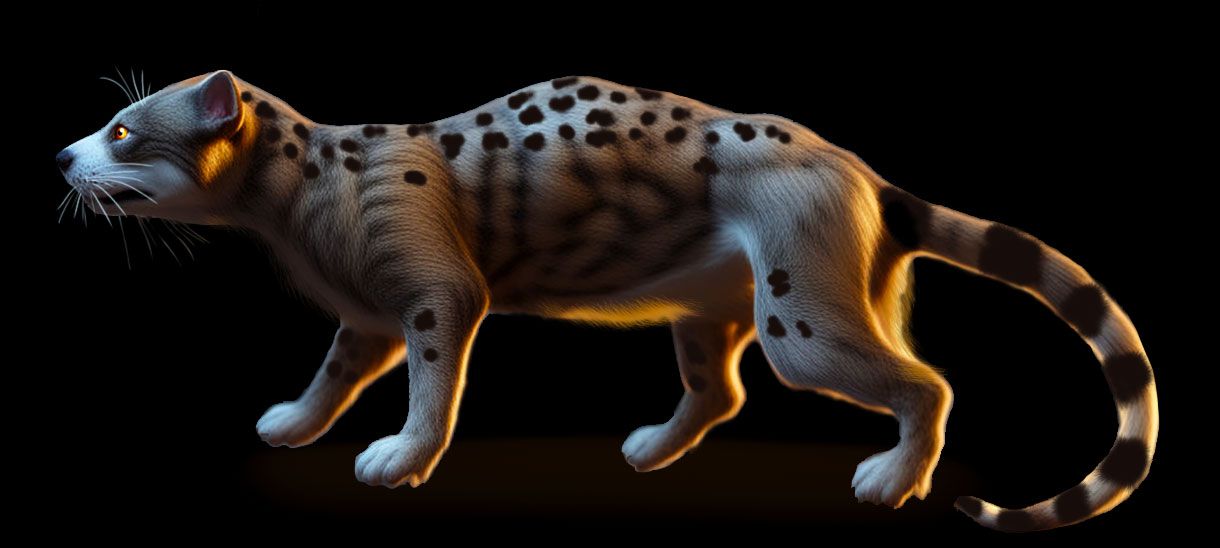
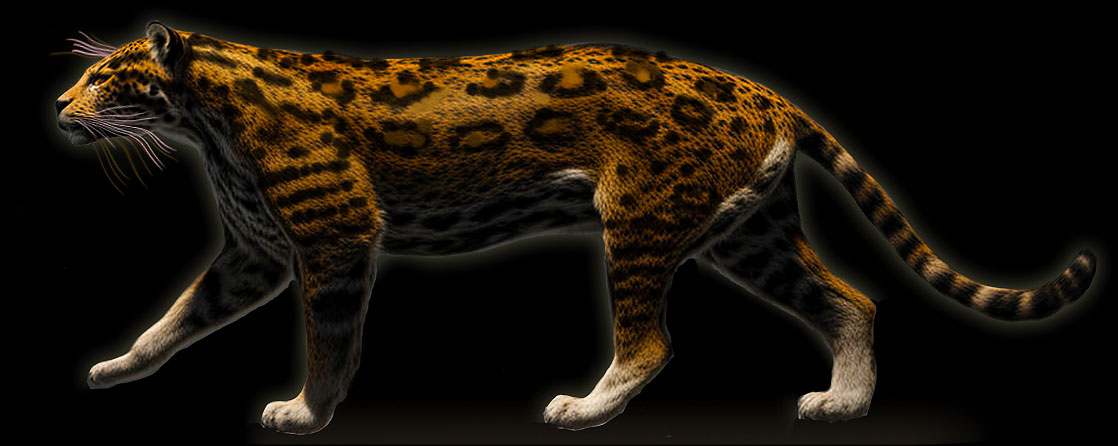
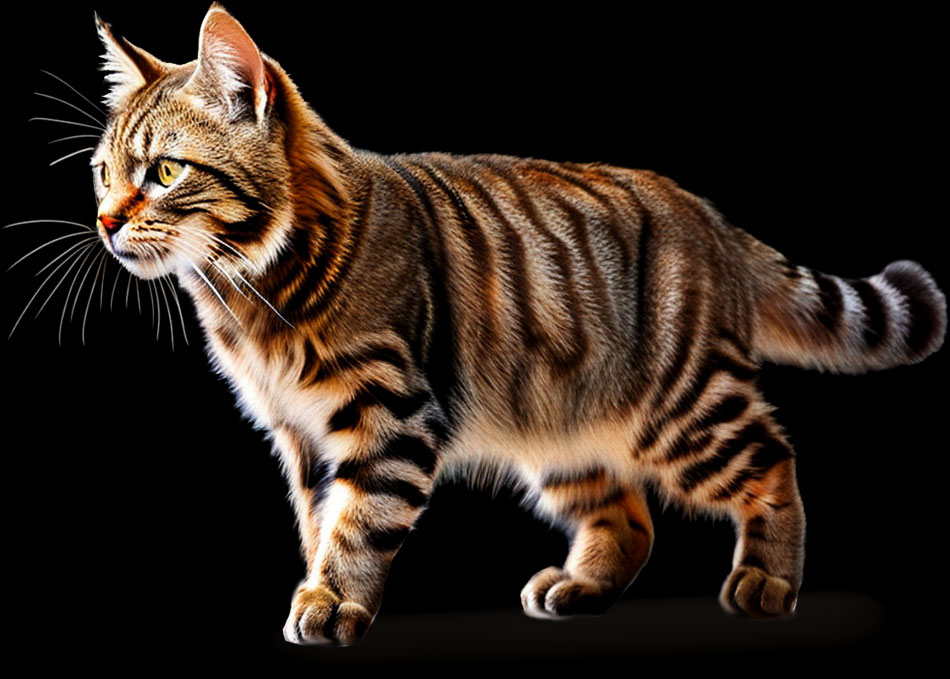
The mysterious Pseudaelurus appears. With a body weight of 66 lb, it is three times heavier than its predecessor. In addition to its perfect fur, it now also has the graceful gait typical of modern cats. This is such a scoop that from now on it becomes the model for the later sabre-toothed cats and all subsequent cats.

Pseudaelurus

Blueprint of cats

16
million years ago...

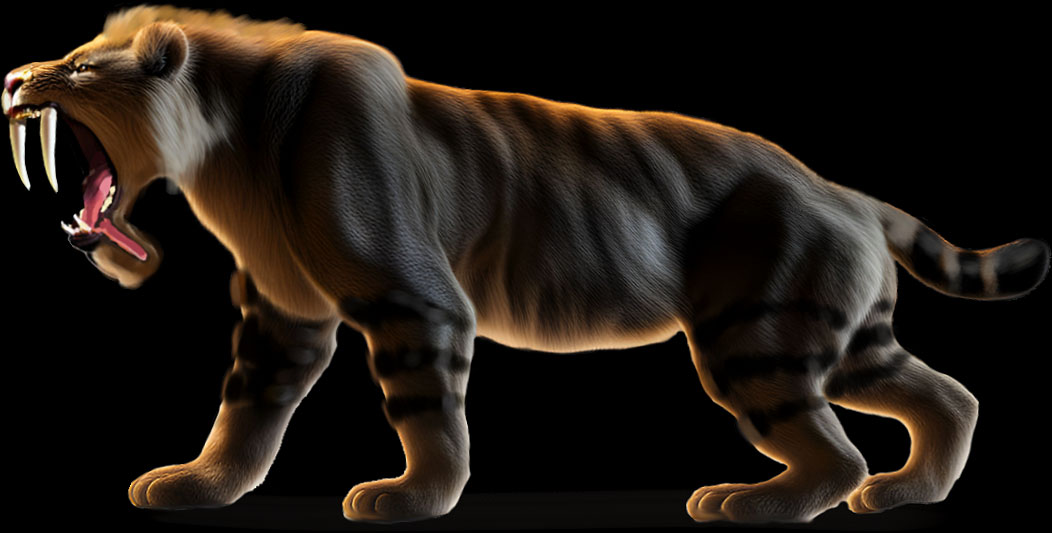
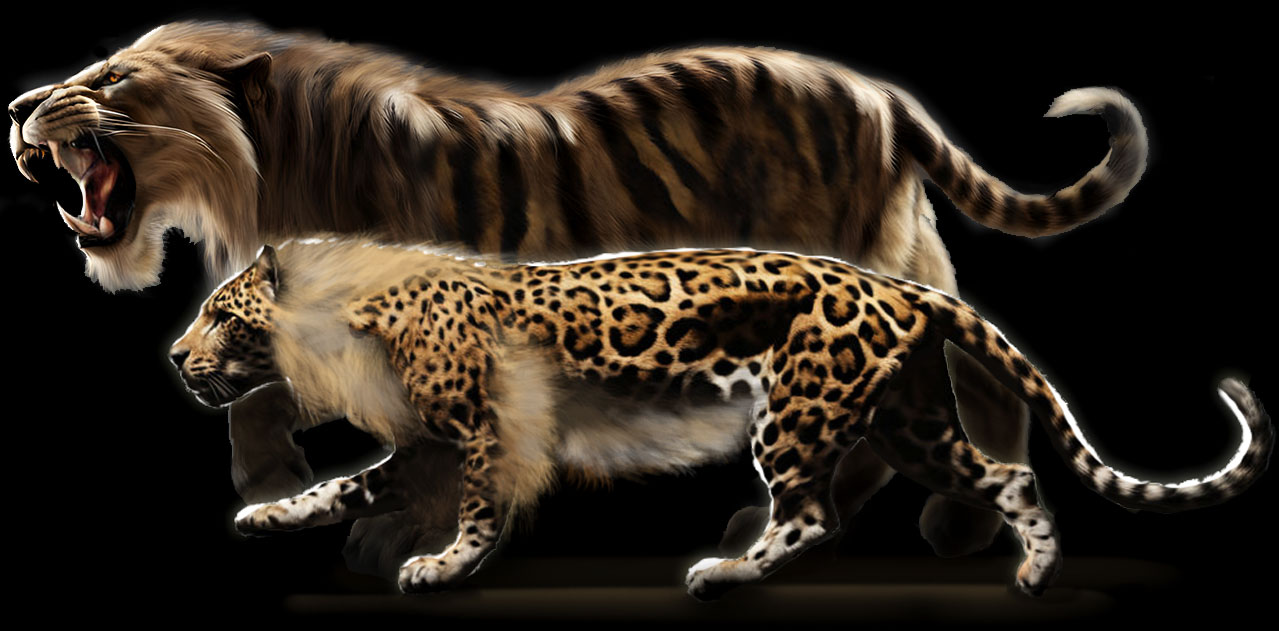
The huge family of the saber-toothed cats appears. Apart from a few exceptions, they are smaller than the false saber-toothed cats, but no less deadly. 67 species of the terrible beast tormented the world for an eternity. Fortunately for all living creatures, it finally died out 10,000 years ago.

Machairodonts

Torpedo boat among the cats

11.3
million years ago...

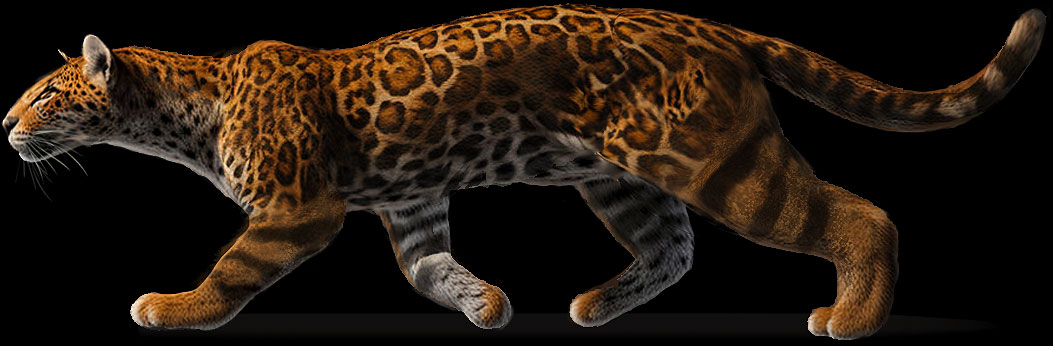
The line of cats splits again and the Big cats appear: the Pantherini. This branches off again into two subfamilies: Neofelis - the clouded leopards on one side and the sister group with the true big cats, Pantherina - with tigers, lions, jaguars, leopards and snow leopards. Large cats have round pupils.

Big Cats - Pantherini

The "roaring cats"

9.4
million years ago...

The lineage of the true big cats splits again and produces the new lineage of the small cats: the Felini. This large family includes all 34 species of medium-sized and small cats known today. Small cats can meow and can contract their pupils like slits.
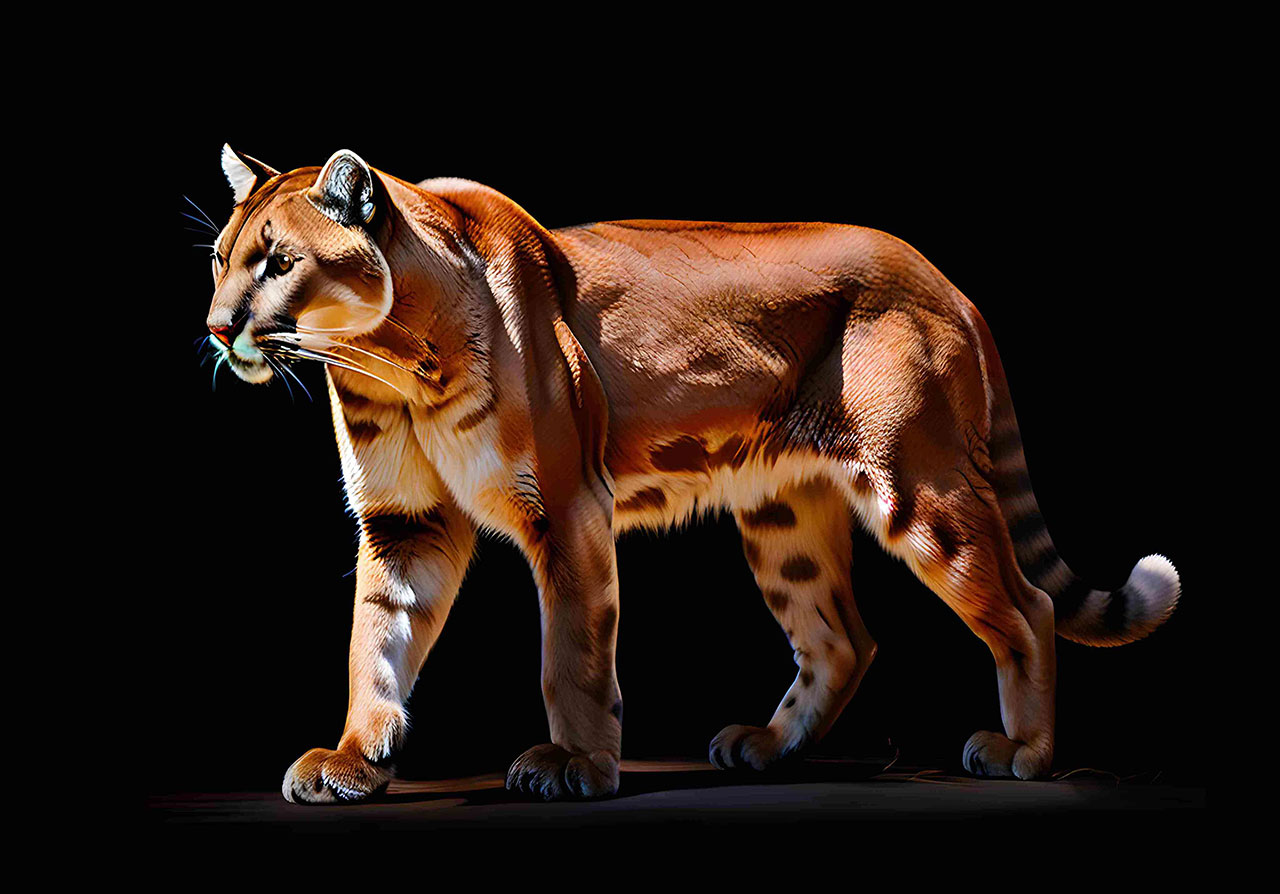
Small cats - Felini

The purring cats

3.4
million years ago...

The youngest splitting in the line age of cats emerges the family of the real cats: Felis. All small wild cats are located here. Felis have high and wide skulls, short jaws and narrow ears with short tufts. They live in forests, deserts, jungles, swamps and in the mountains.
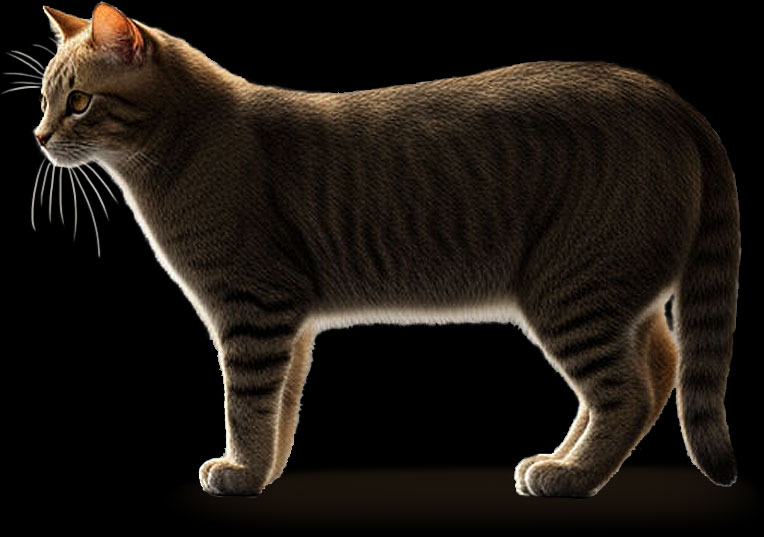
Wild cats - Felis

Template of the domestic cat

11.500
years ago...

The youngest species of cat, Felis - the domestic cat appears. It is the most popular cat of all time. The latest research assumes that it is domesticated in the area of the Fertile Crescent already at the beginning of human civilization. As of 2021, there were an estimated 220 million owned and 480 million stray cats in the world.

Felis catus

Popular house cat